The Mind of the Church
The Seven Ecumenical Councils
When the faith itself was at stake, the whole Church spoke — bishops gathered from the whole world, testing every teaching against what had been received from the Apostles. These seven councils answered the great heresies and gave the Church her Creed, decrees, anathemas, and canons. Orthodoxy confesses them still, unchanged.
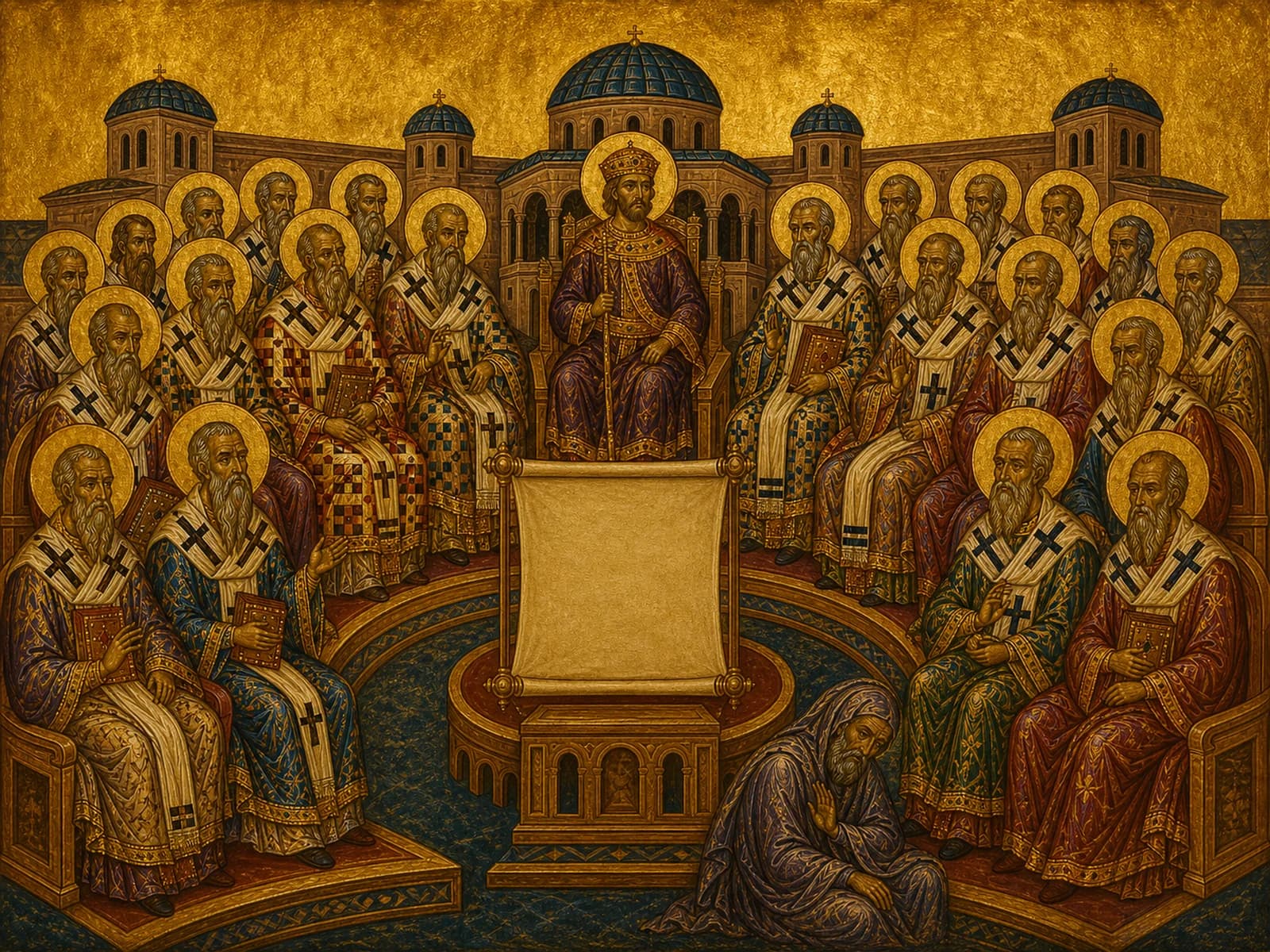
1st Council · AD 325
First Council of Nicaea
Arianism answered: The Son is “God from God, Light from Light, true God from true God, begotten, not made, consubstantial (homoou…
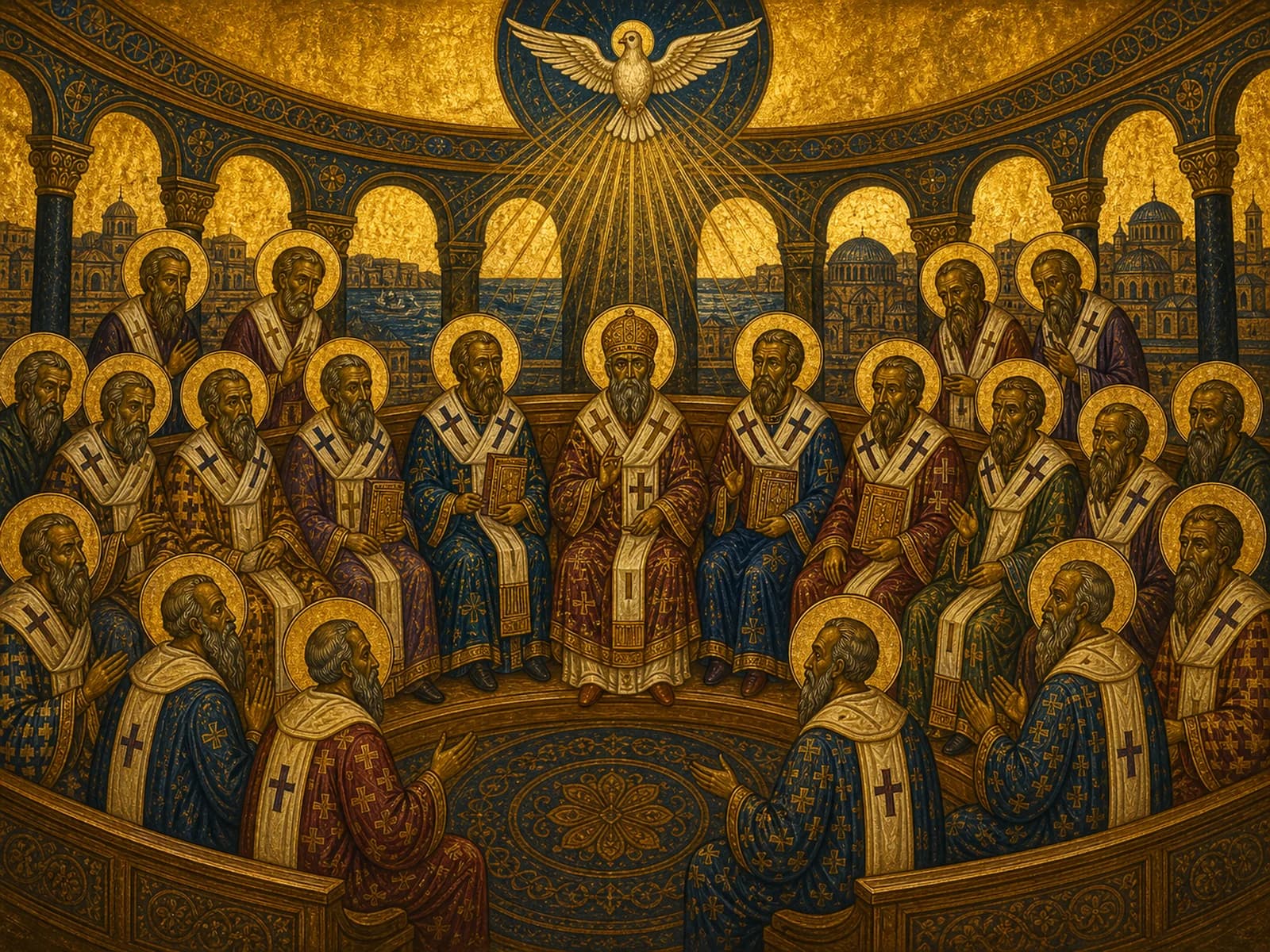
2nd Council · AD 381
First Council of Constantinople
The Pneumatomachi (“Spirit-fighters”), who denied the full divinity of the Holy Spirit, and the remnants of Arianism; Apollinarianism, which denied Christ a human mind. answered: The Holy Spirit is “the Lord, the Giver of life, who proceeds from the Father, who with the Father and the Son…
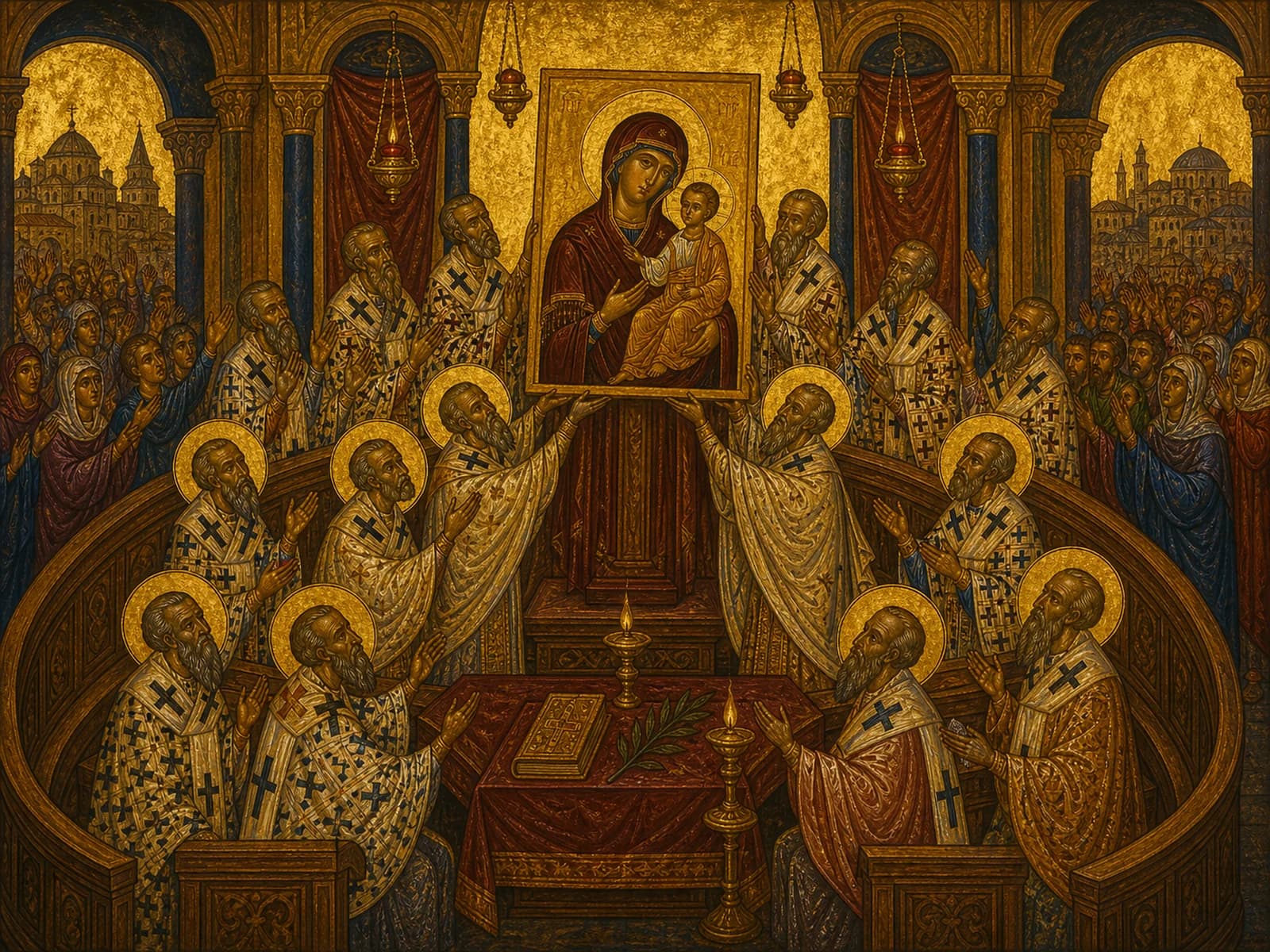
3rd Council · AD 431
Council of Ephesus
Nestorianism answered: The One born of Mary is God the Word Himself made flesh; therefore she is truly Theotokos. The union of Godhea…
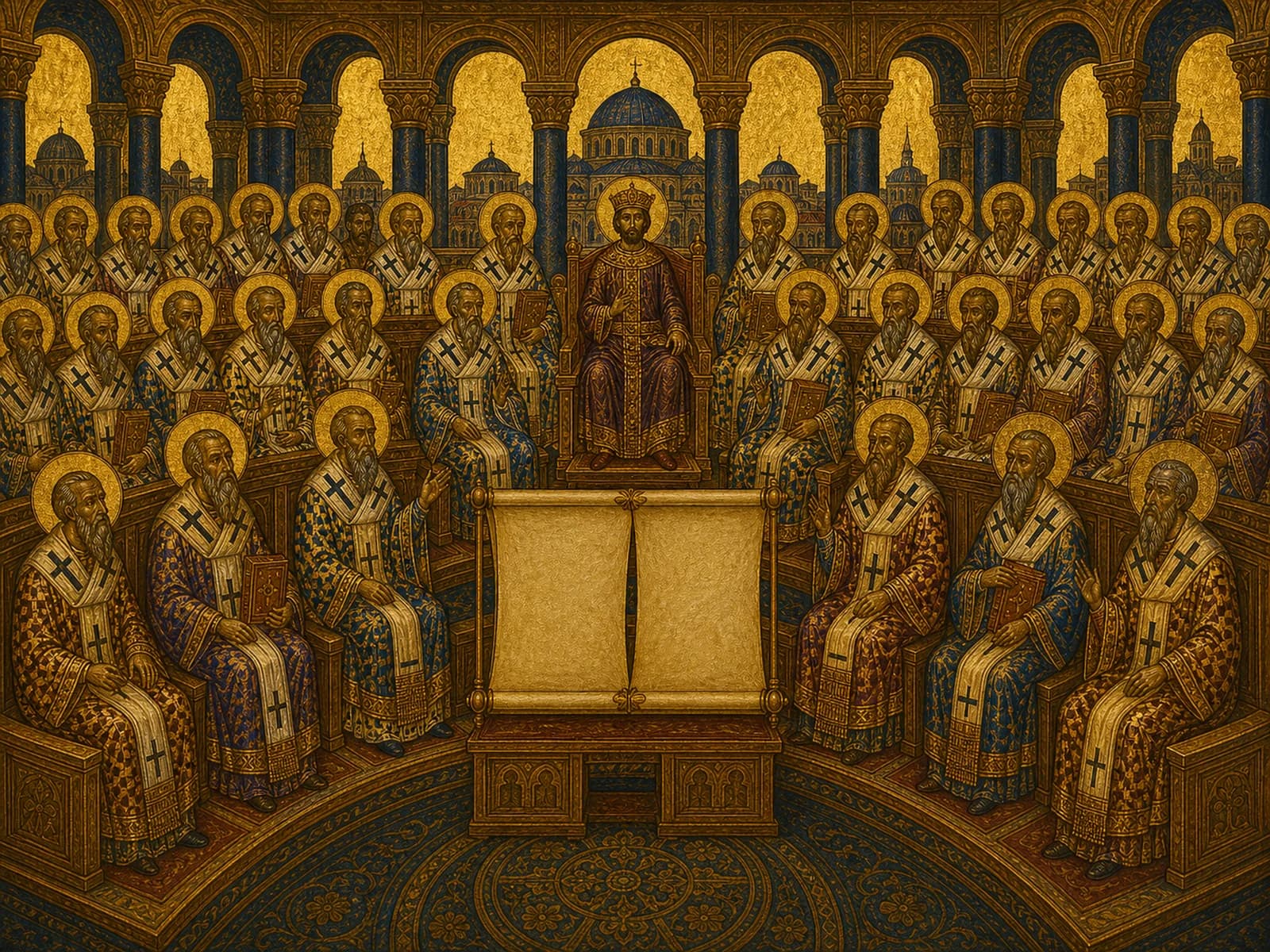
4th Council · AD 451
Council of Chalcedon
Eutychianism answered: “One and the same Christ, Son, Lord, Only-begotten, made known in two natures without confusion, without chang…
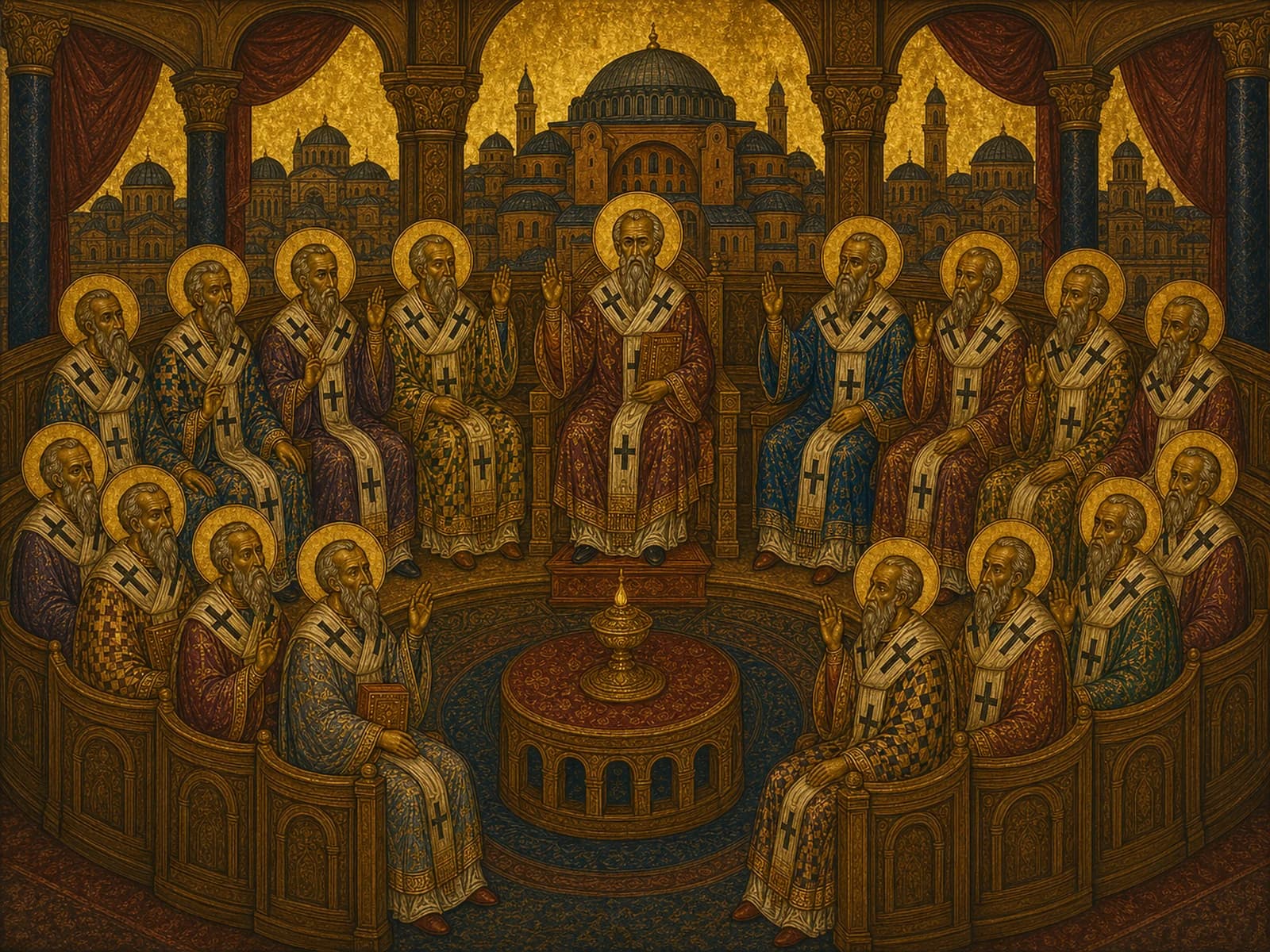
5th Council · AD 553
Second Council of Constantinople
The lingering Nestorianism of the “Three Chapters” answered: The one hypostasis of Christ is the divine Word Himself: “our Lord Jesus Christ, who was crucified in the fles…
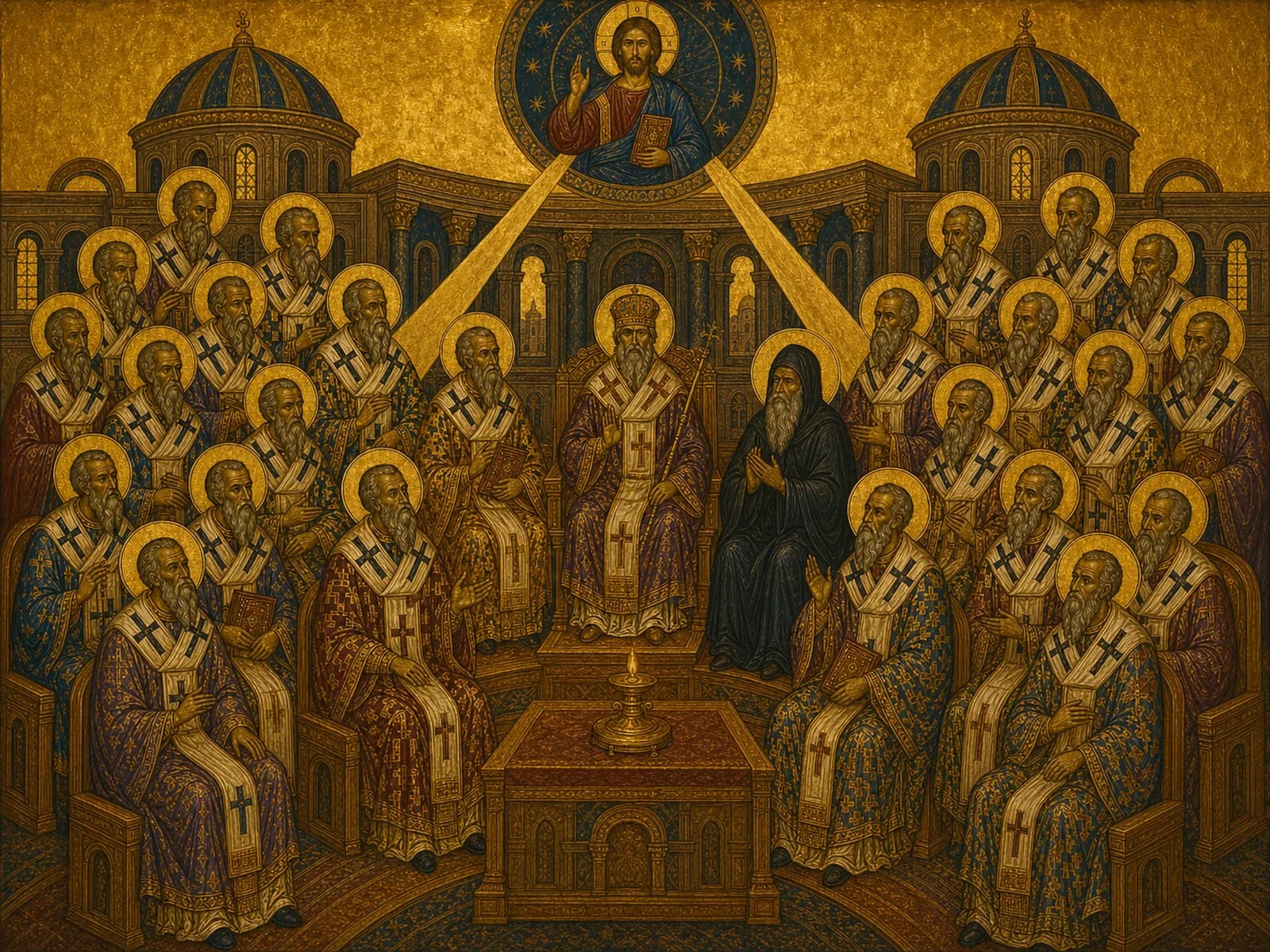
6th Council · AD 680–681
Third Council of Constantinople
Monothelitism answered: Christ has “two natural wills and two natural operations, without division, without change, without separation…
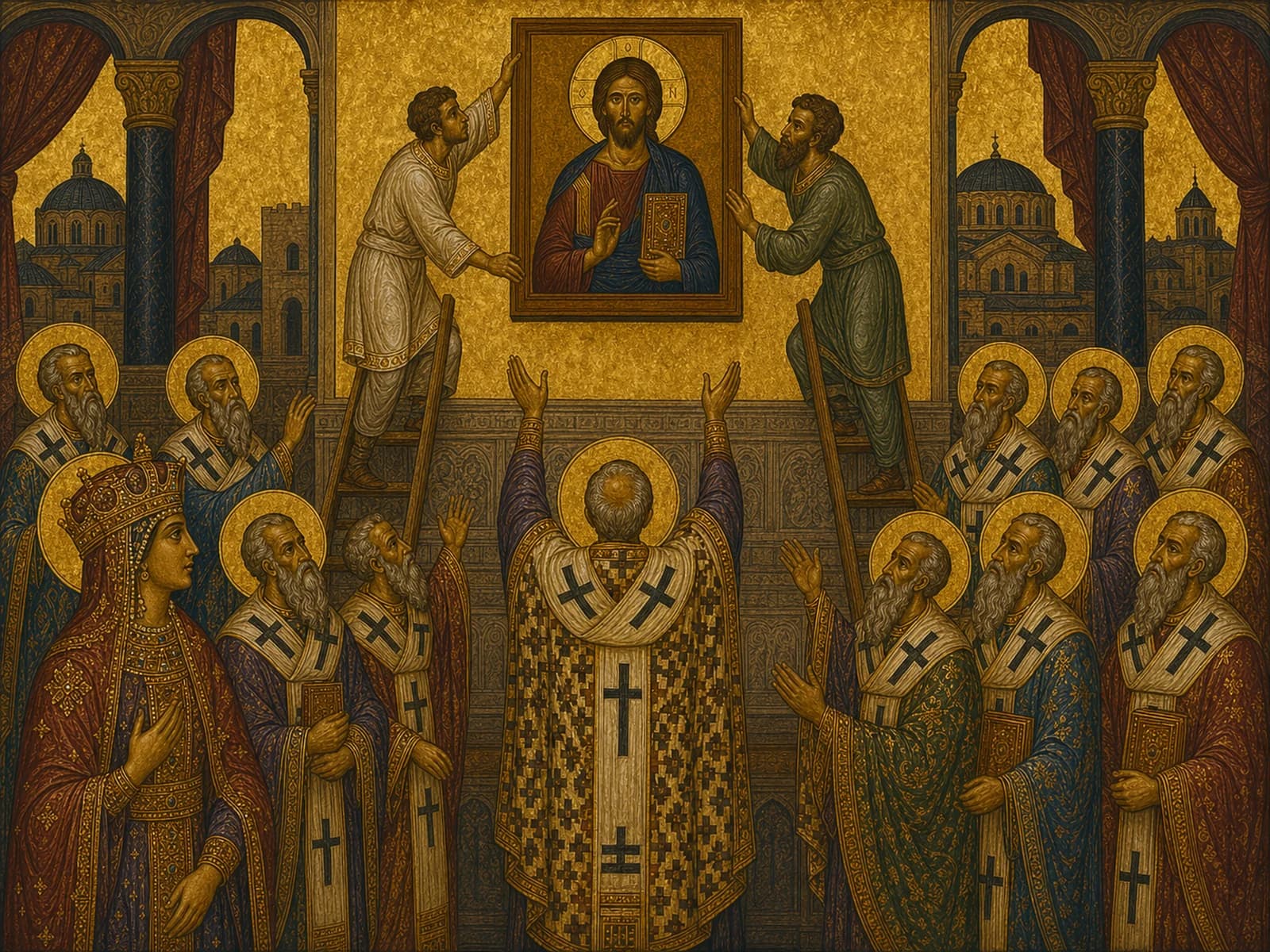
7th Council · AD 787
Second Council of Nicaea
Iconoclasm answered: The holy icons are to be set up and venerated, “for the honor paid to the image passes to the prototype” (Sain…
See the councils in their historical setting on the timeline, or how they answer modern objections in The Case.