Apologetics
The Case for Orthodoxy
A sourced answer to the major historical departures from the Orthodox Church, stated plainly and tested by Scripture, the councils, the Fathers, and lived continuity.
Historical Departures
Compare the Claims
6 entries
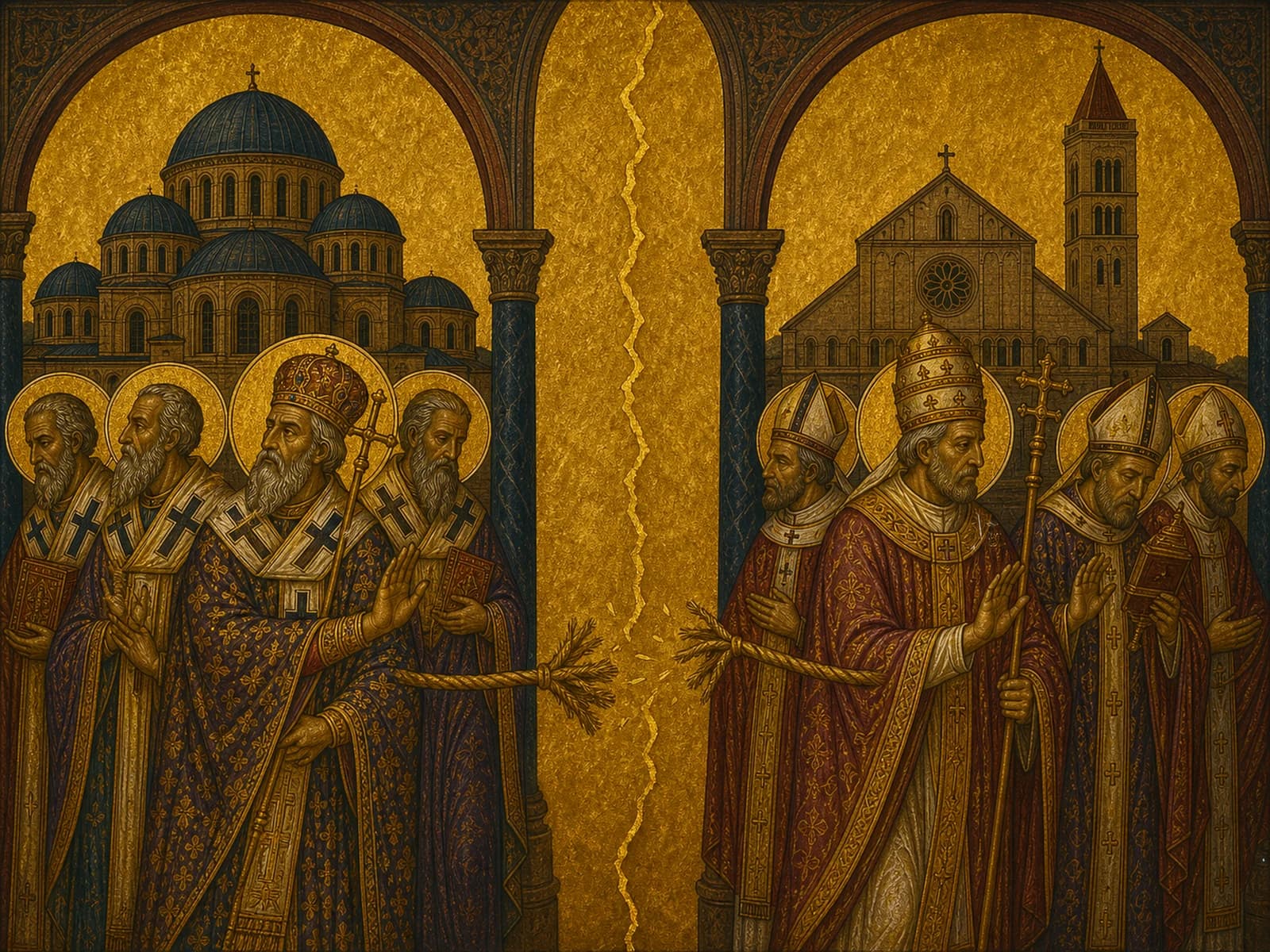
Rome
Papal supremacy, the Filioque, post-schism dogmas, and later doctrinal developments weighed against the conciliar faith of the undivided Church.
2 entries
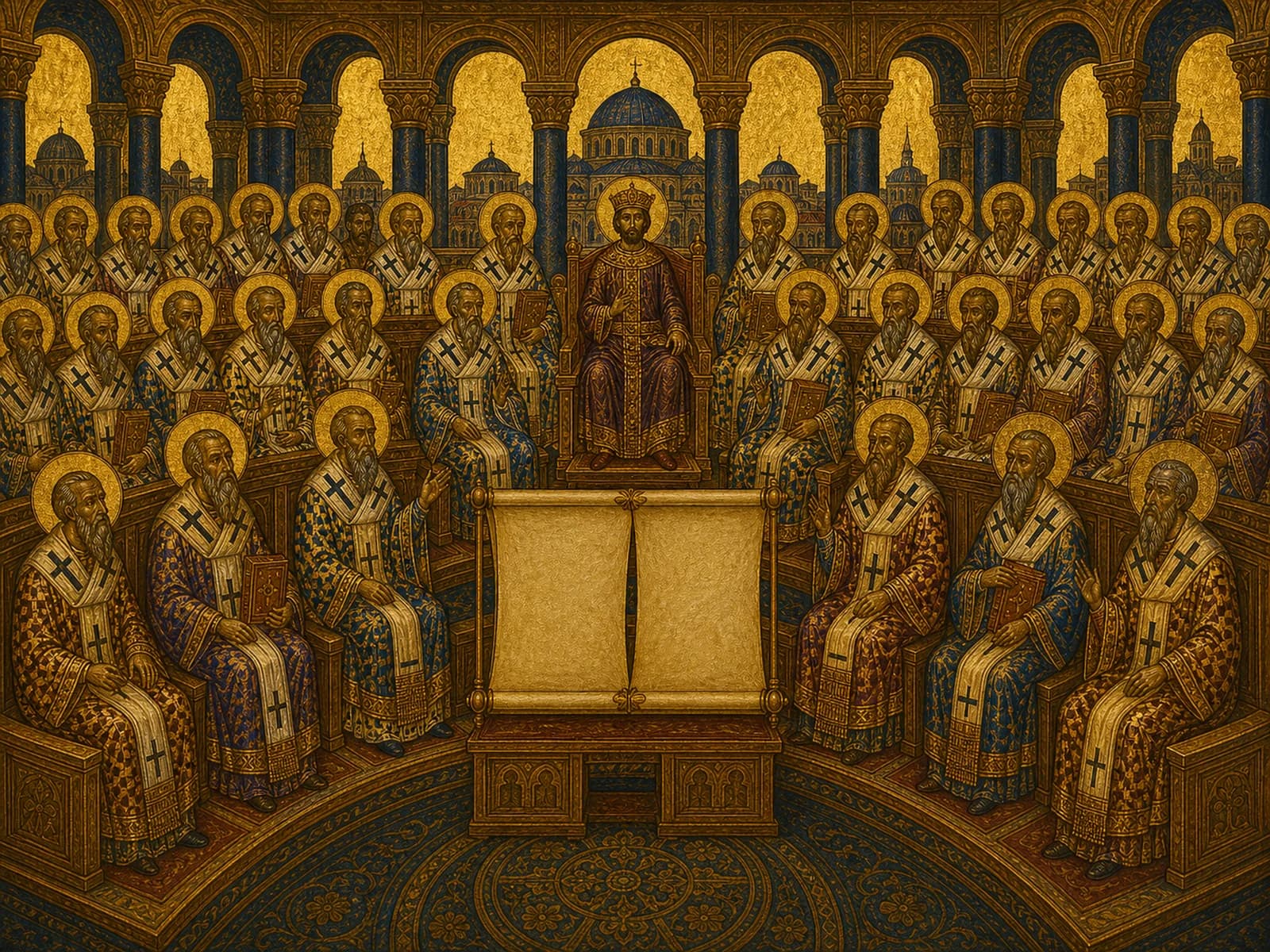
Oriental Orthodoxy
Chalcedon, Miaphysite terminology, and modern dialogue stated carefully without caricature.
6 entries
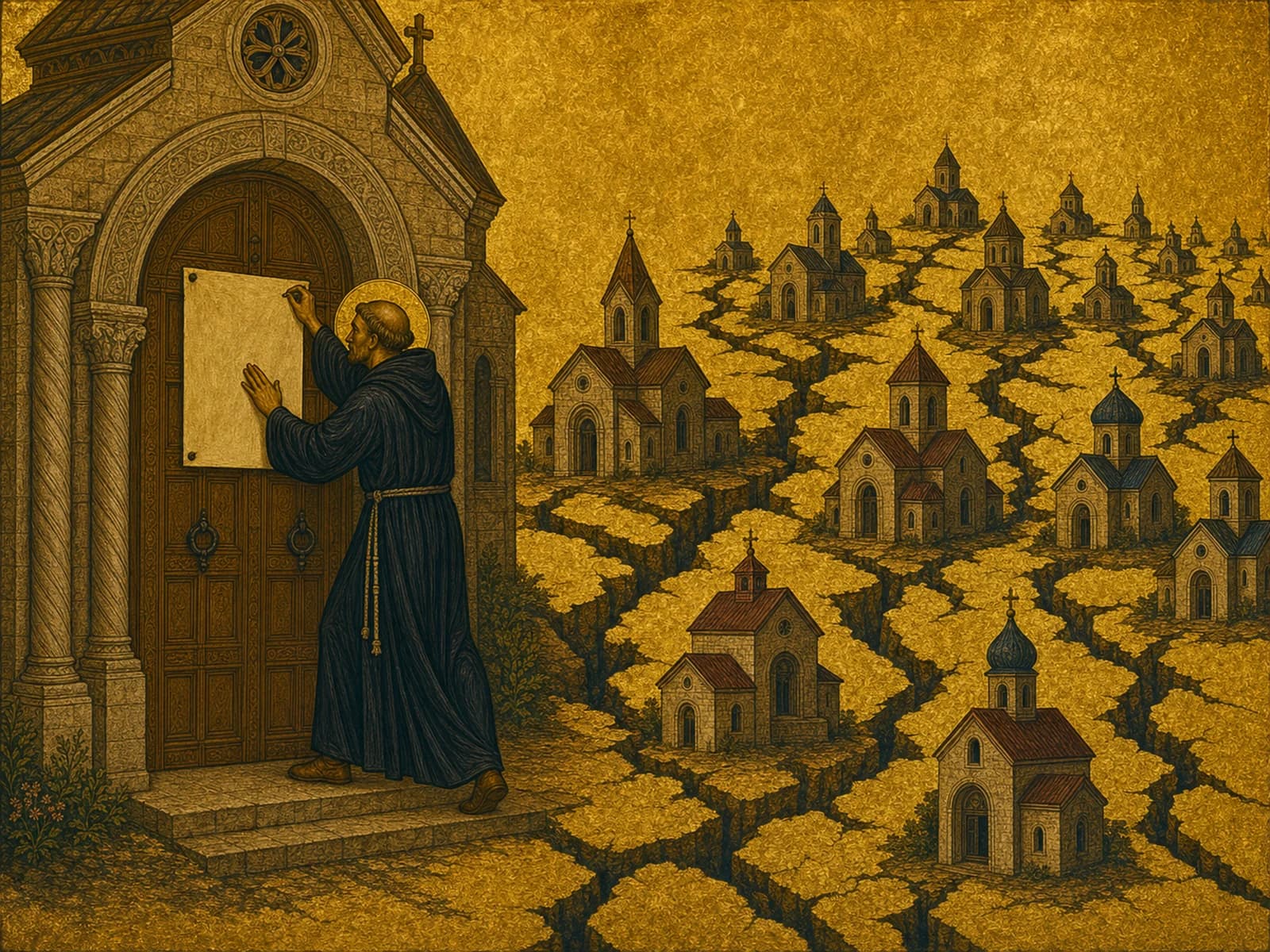
Protestantism
Sola Scriptura, Sola Fide, sacramental reduction, iconoclasm, and the visible historical Church.
Starter Library
Core Objections
Papal Supremacy and Infallibility
Orthodoxy honors Rome as an ancient apostolic see, but rejects universal papal jurisdiction and Vatican I infallibility as later claims not received by the undivided Church.
The Filioque
The Orthodox objection is both doctrinal and ecclesial: the Creed was altered unilaterally, and the Father is confessed as the single personal source of the Son and the Spirit.
Original Sin and Ancestral Sin
Orthodoxy confesses humanity's fall into mortality and corruption, while rejecting the idea that every person inherits Adam's personal guilt.
Purgatory, Indulgences, and Satisfaction
Orthodoxy prays for the departed and trusts God's mercy, but rejects the later Latin system of purgatorial satisfaction, treasury of merits, and indulgences.
The Immaculate Conception
Orthodoxy venerates the Theotokos as all-holy and ever-virgin, but does not receive the 1854 dogma or its inherited-guilt assumptions.
Development of Doctrine
Orthodoxy allows deeper articulation of the apostolic faith, but rejects developments that change the Church's received dogmatic boundaries.
Chalcedon and Miaphysitism
Orthodoxy rejects both Nestorian division and Eutychian confusion, while confessing with Chalcedon one Christ in two natures, without confusion or division.
Modern Dialogue with Oriental Orthodoxy
The modern dialogues are important and hopeful, but they do not by themselves erase the need for ecclesial reception, shared councils, and restored communion.
Sola Scriptura
Orthodoxy receives Scripture as inspired and authoritative within the apostolic Tradition that preserved, interpreted, and canonized it.
Sola Fide
Orthodoxy rejects works-righteousness, but also rejects any account of faith severed from love, repentance, sacramental life, and perseverance.
The Visible Church and Apostolic Succession
The Church is not an invisible idea loosely gathered around private interpretation, but a visible Eucharistic body with apostolic teaching, bishops, and sacramental communion.
The Sacraments and the Real Presence
Orthodoxy calls the sacraments mysteries because God truly acts through them; the Eucharist is not reduced to a bare mental symbol.
Icons and the Incarnation
Orthodox icons are not idols; they confess that the invisible Word became visible flesh, and veneration passes to the person represented.
The Theotokos, Saints, and Prayer
Orthodoxy venerates Mary and the saints without worshiping them, because the Church is one Body in Christ across death.