The Human Person
Image, likeness, freedom, and vocation
Orthodoxy teaches that every human person is created in the image of God and called to grow into likeness through communion with Him.
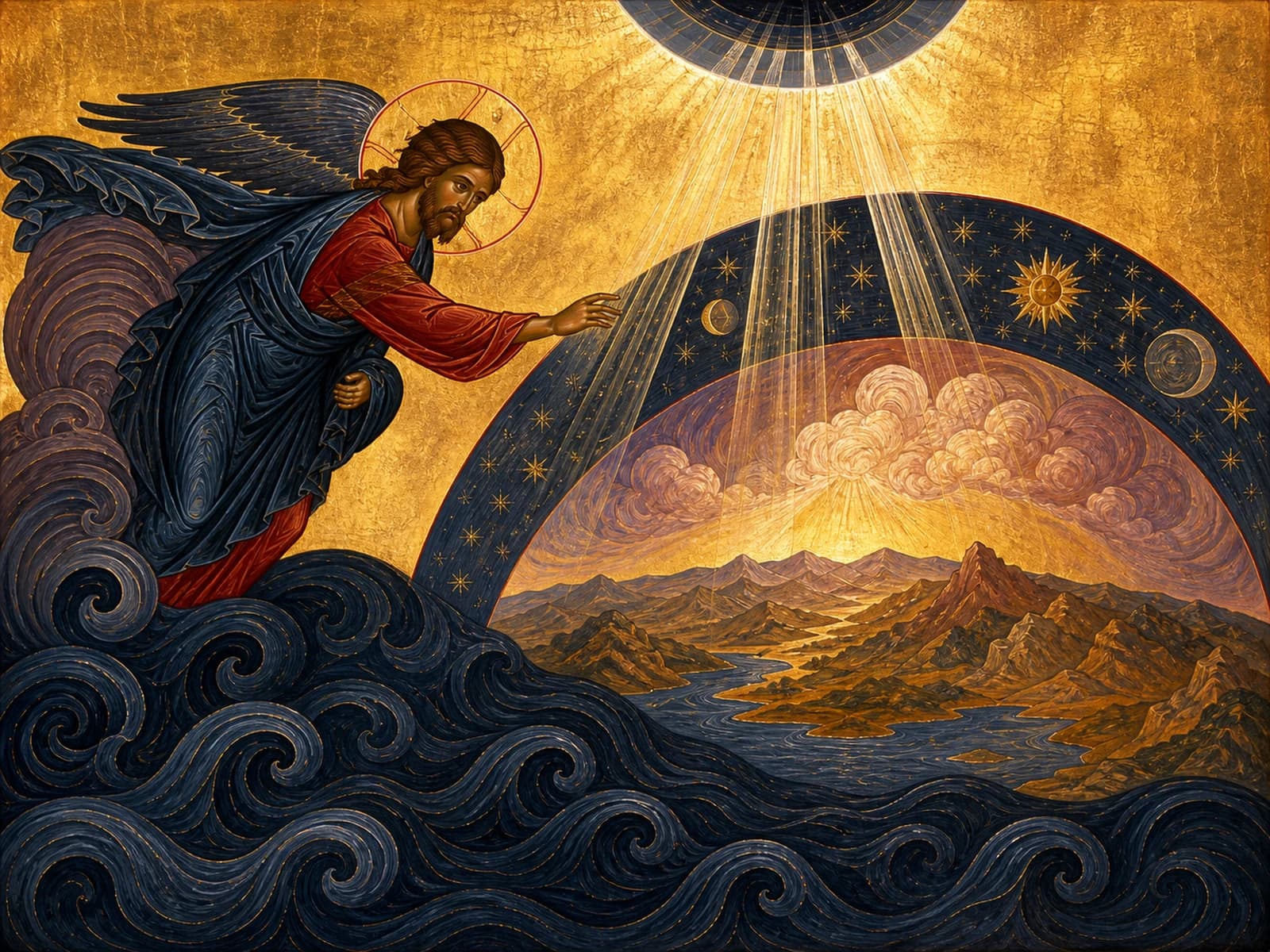
What the Church teaches
Human beings are not accidents, machines, or souls trapped in bodies. Each person is created in the image of God, embodied and spiritual, free and responsible, called to communion and deification by grace.
The biblical witness
Genesis speaks of image and likeness. The Psalms marvel at humanity's dignity, and the New Testament reveals Christ as the true image in whom human nature is restored and glorified.
The councils & the Fathers
The Fathers distinguish image and likeness as gift and vocation. St Gregory of Nyssa reflects deeply on the making of the human person, and St Maximus sees humanity's calling fulfilled in union with God through Christ.
Why it matters
Anthropology shapes morality, pastoral care, and apologetics. The human person is wounded by sin but not worthless; mortal but called to resurrection; free but needing grace; made for communion, not isolation.
Common misunderstandings
Orthodoxy rejects both materialism that reduces persons to matter and spiritualism that despises the body. It also rejects any account of salvation that bypasses embodied life, ascetic struggle, or love of neighbor.
Go deeper
Read this tract with Hamartiology, Soteriology, and Christology. Christ reveals both who God is and what humanity is meant to become.