Salvation
Theosis, healing, and life in Christ
Orthodoxy teaches salvation as union with Christ: rescue from death and sin, healing of the human person, and participation in divine life by grace through repentance, faith, baptism, Eucharist, and lifelong transformation.
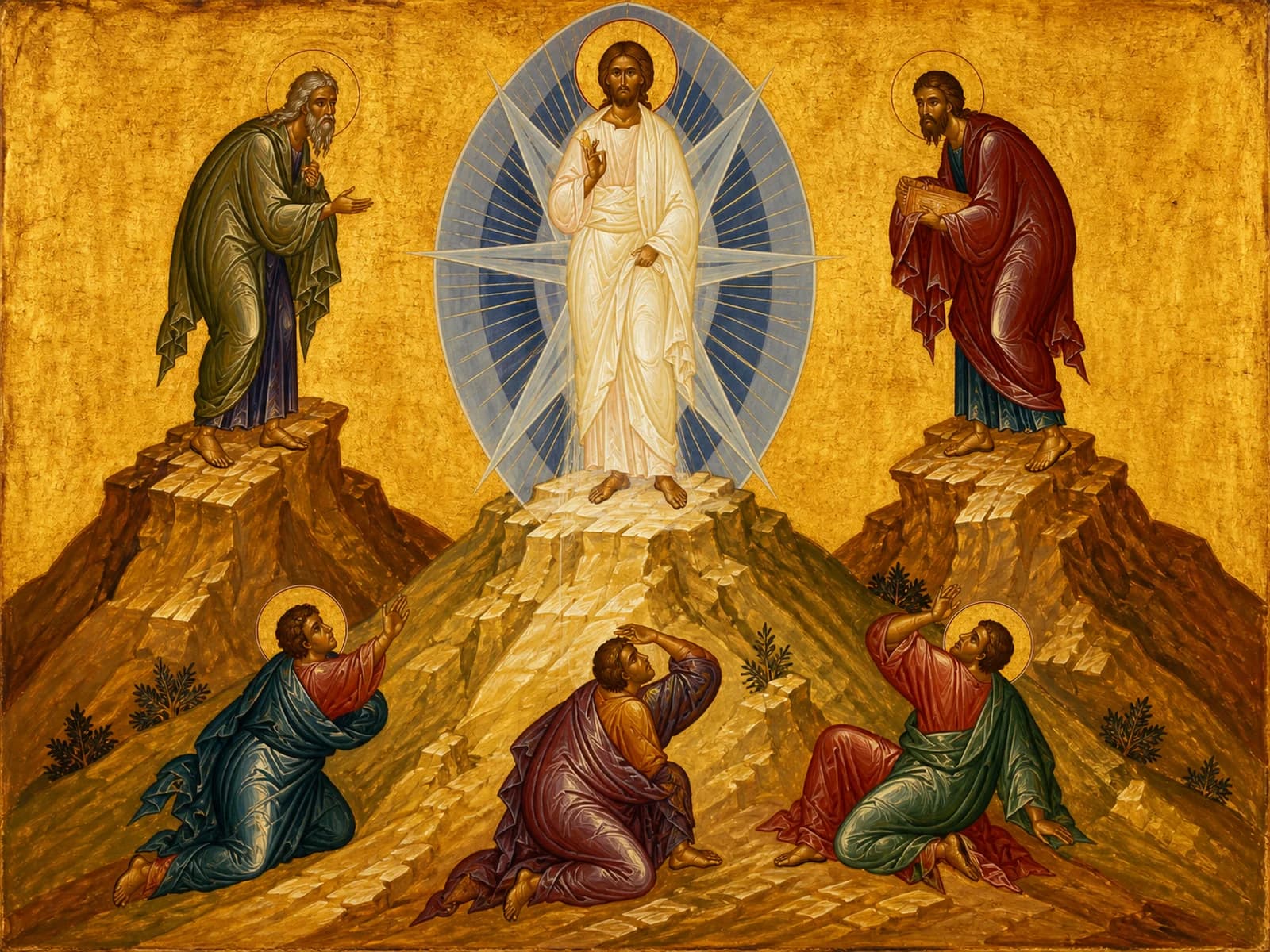
What the Church teaches
Salvation is not merely a legal change in God's records. It is deliverance from sin, death, and the devil; reconciliation with God; healing of the passions; and participation in divine life. The traditional word for this participation is theosis.
Theosis does not mean becoming God by nature. The creature remains creature. By grace, in Christ and the Holy Spirit, the human person is illumined, healed, and made a partaker of divine life.
- 2 Peter 1:4
- Ephesians 2:8-10
- St Athanasius, On the Incarnation 54.3
The biblical witness
St Peter says that we become partakers of the divine nature. Christ speaks of abiding in Him as branches in the vine. St Paul commands Christians to work out their salvation while also confessing that God is the one working in them.
Scripture holds grace and human response together. We are saved by grace, not by earning salvation; yet grace trains, heals, and energizes the believer for good works prepared by God.
- 2 Peter 1:4
- John 15:4-5
- Philippians 2:12-13
- Ephesians 2:8-10
- Titus 2:11-14
The councils & the Fathers
The Church's Christology is directly soteriological: the Son becomes fully human to heal and deify humanity by grace. This is why the councils fought so fiercely for Christ's full divinity and full humanity.
St Athanasius famously teaches that the Word became man so that we might become god. St Maximus the Confessor describes the human vocation as union with God through love, ascetic struggle, and participation in Christ.
- Nicaea I, Creed
- Chalcedon, Definition of Faith
- St Athanasius, On the Incarnation 54.3
- St Maximus the Confessor, Ambigua 7
Why it matters
If salvation is reduced to legal pardon alone, the depth of the Gospel is flattened. Christ does pardon, but He also heals, raises, sanctifies, illumines, and unites. The aim is life in God, not bare acquittal.
This shapes Orthodox worship and spiritual life. Baptism, chrismation, Eucharist, confession, fasting, prayer, almsgiving, and repentance are not attempts to earn grace; they are the Spirit-filled path by which grace heals and transforms us.
- Romans 6:3-11
- Galatians 2:20
- 2 Corinthians 3:18
Common misunderstandings
Synergy does not mean God does half and the human person does half. It means God's grace is primary and active, and the human person freely responds to that grace. Even our response is impossible apart from God's work.
Theosis is not pantheism, self-deification, or a denial of creaturehood. It is participation by grace, grounded in the Incarnation, Cross, Resurrection, and the life of the Holy Spirit in the Church.
- Philippians 2:12-13
- 2 Peter 1:4
Go deeper
Read the Incarnation, Crucifixion and Resurrection, and Pentecost timeline entries as one saving arc: the Son assumes our nature, destroys death, and sends the Spirit so that the Church lives in His victory.
Later apologetics should connect this tract to questions about inherited guilt, justification, created versus uncreated grace, satisfaction atonement, and theosis.
- Timeline: the-incarnation
- Timeline: crucifixion-and-resurrection
- Timeline: pentecost